
Conn Loomis 10M Tenor Saxophone 201183

CG Conn
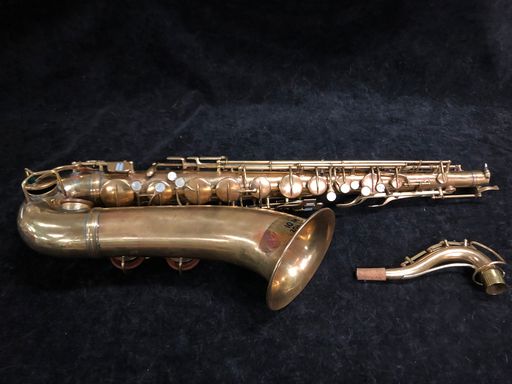
SUMMARY: This experimental Conn tenor saxophone, serial number 201183, features a triple octave key mechanism designed and patented by Allen Loomis, left-side bell keys, and wide bow spacing.
COLLOQUIAL NAMES: New Wonder 2, New Wonder II, NW2, NWII, Chu Berry, Loomis 10M
DATE: 1927
MANUFACTURER: C.G. Conn, Ltd.
PRODUCTION LOCATION: Elkhart, IN, United States
PRODUCT LINE: New Wonder, Series 2
MODEL: 10M
TYPE: Tenor
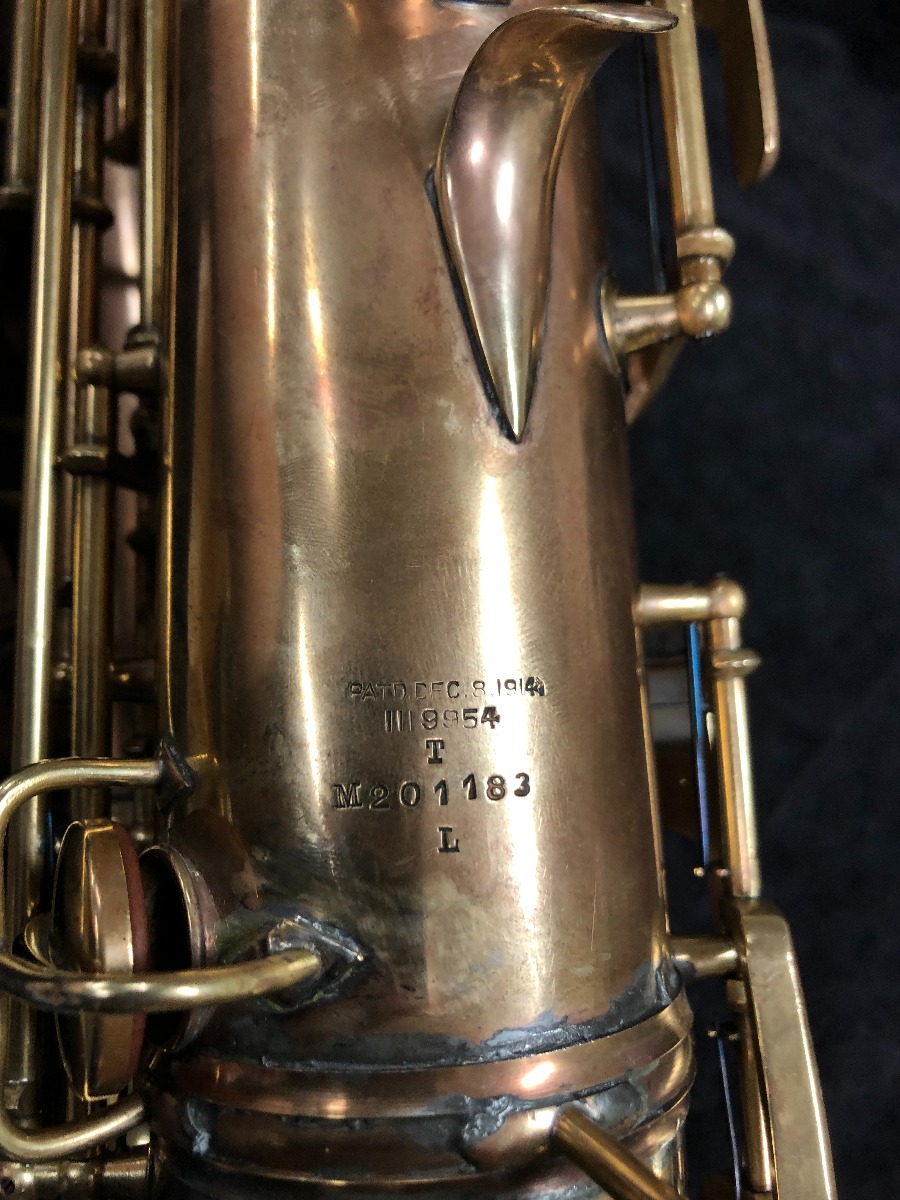
SERIAL NO.: 201183
FINISH: Bare Brass, Gold Plate
CATALOG NO.: CG201183BbTC
PROVENANCE: Formerly in the collection of Ronald Semak
On Loan From 
History
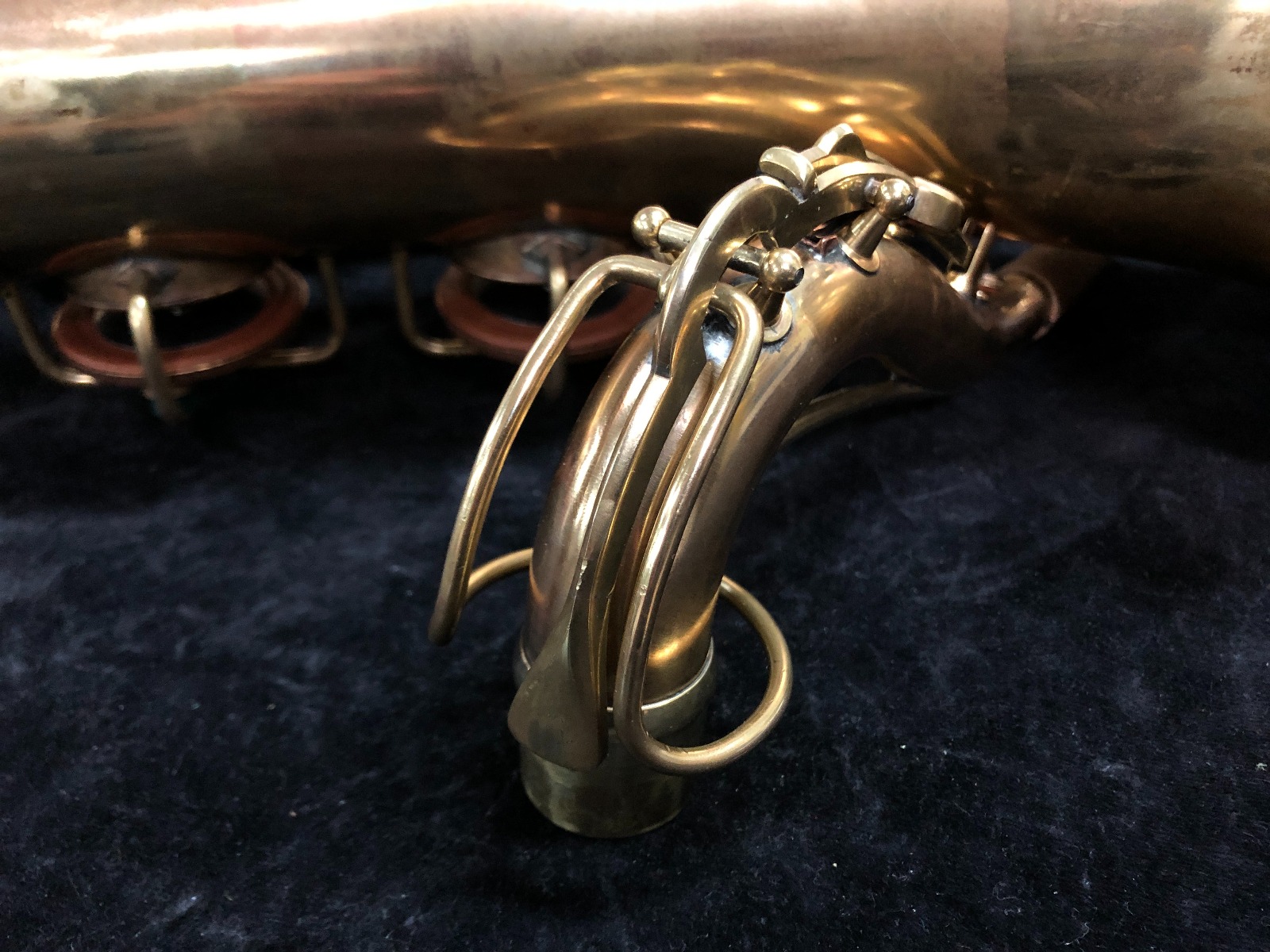
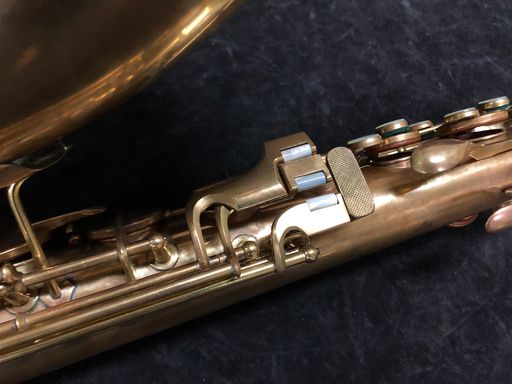
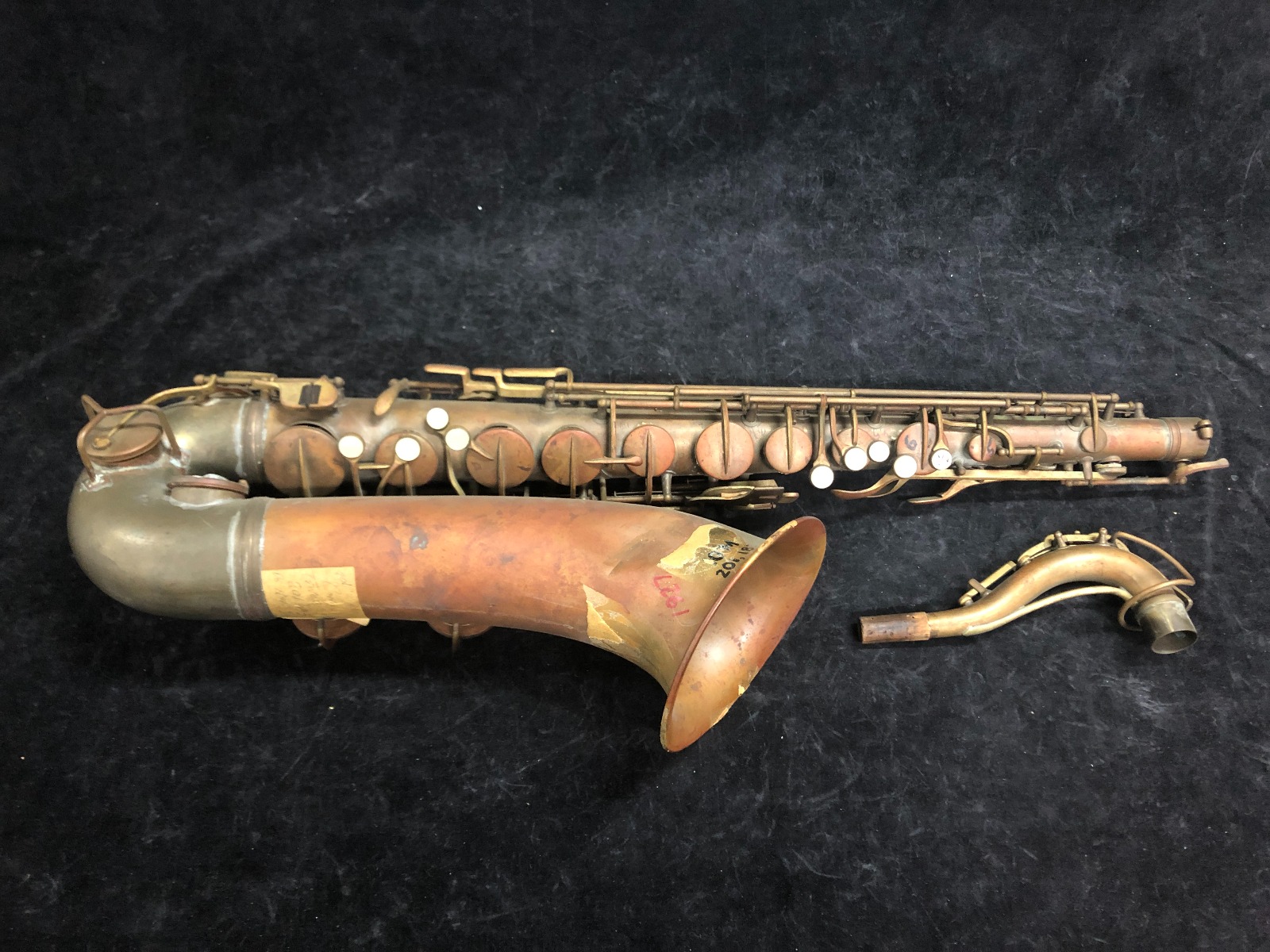
This tenor sax, with serial number 201183 was constructed in 1927. It is a product of C.G. Conn’s experimental laboratory. The saxophone features a triple octave key mechanism designed by Allen Loomis and patented in 1936. It is the earliest example of a left-side bell keys 10M in the NSM’s collection.
[Insert brief history of how the horn changed hands when Mark provides it to Josh]
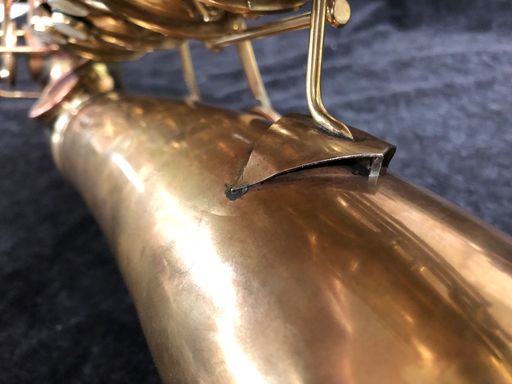
After Saxquest acquired the horn, their repair shop performed the restoration and made every effort to preserve the non-permanent markings, as much sloppy soldering, and as much other evidence as possible that the Loomis 10M prototype was a work in process or a proof of concept.
Features
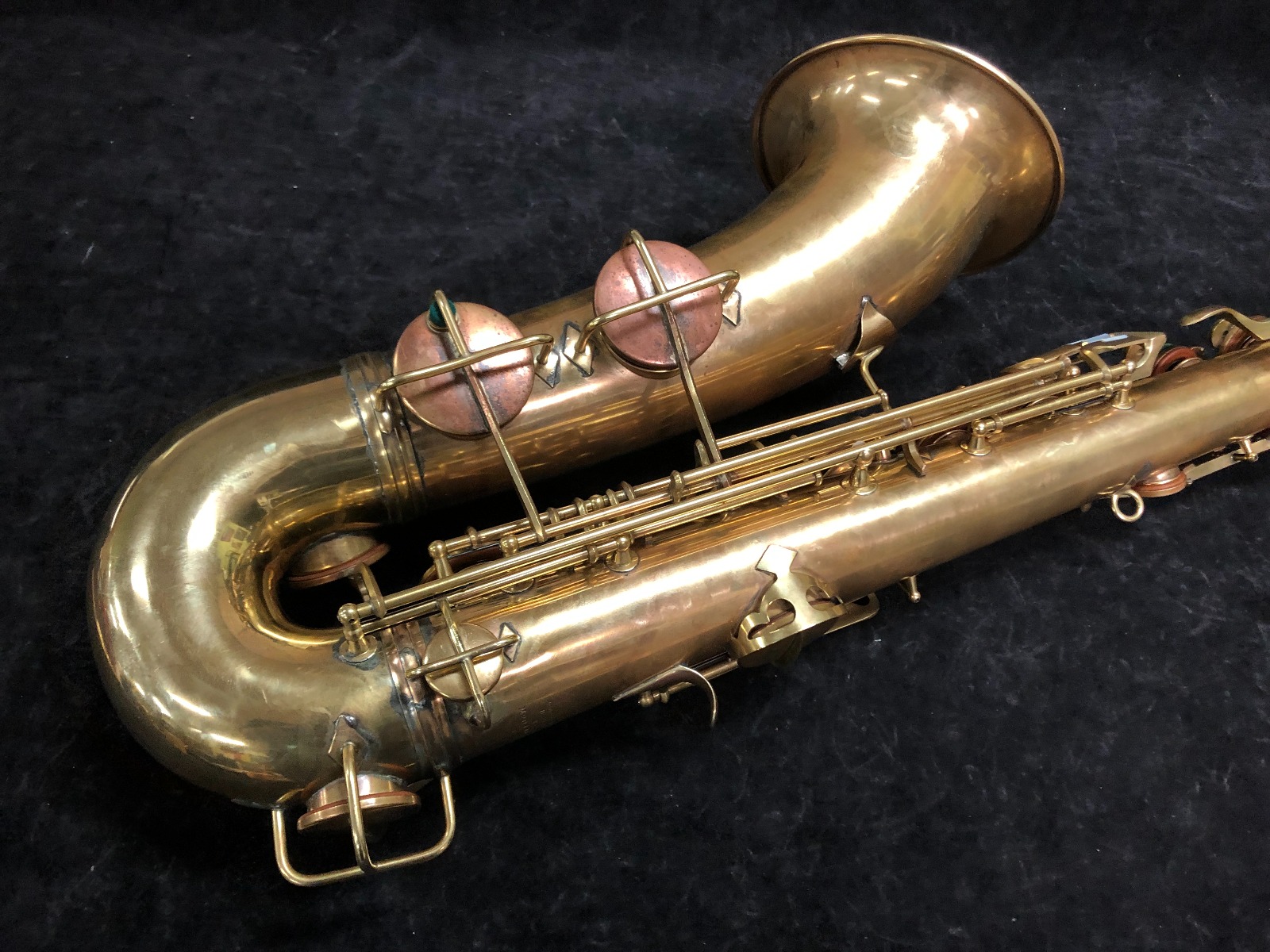
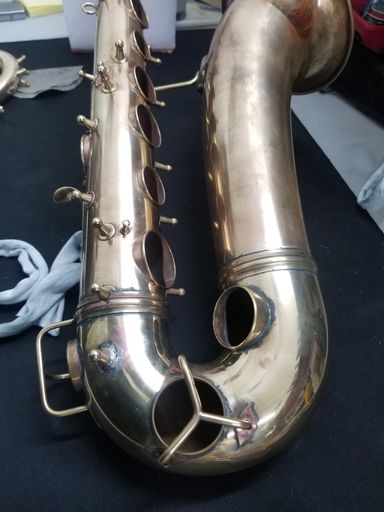
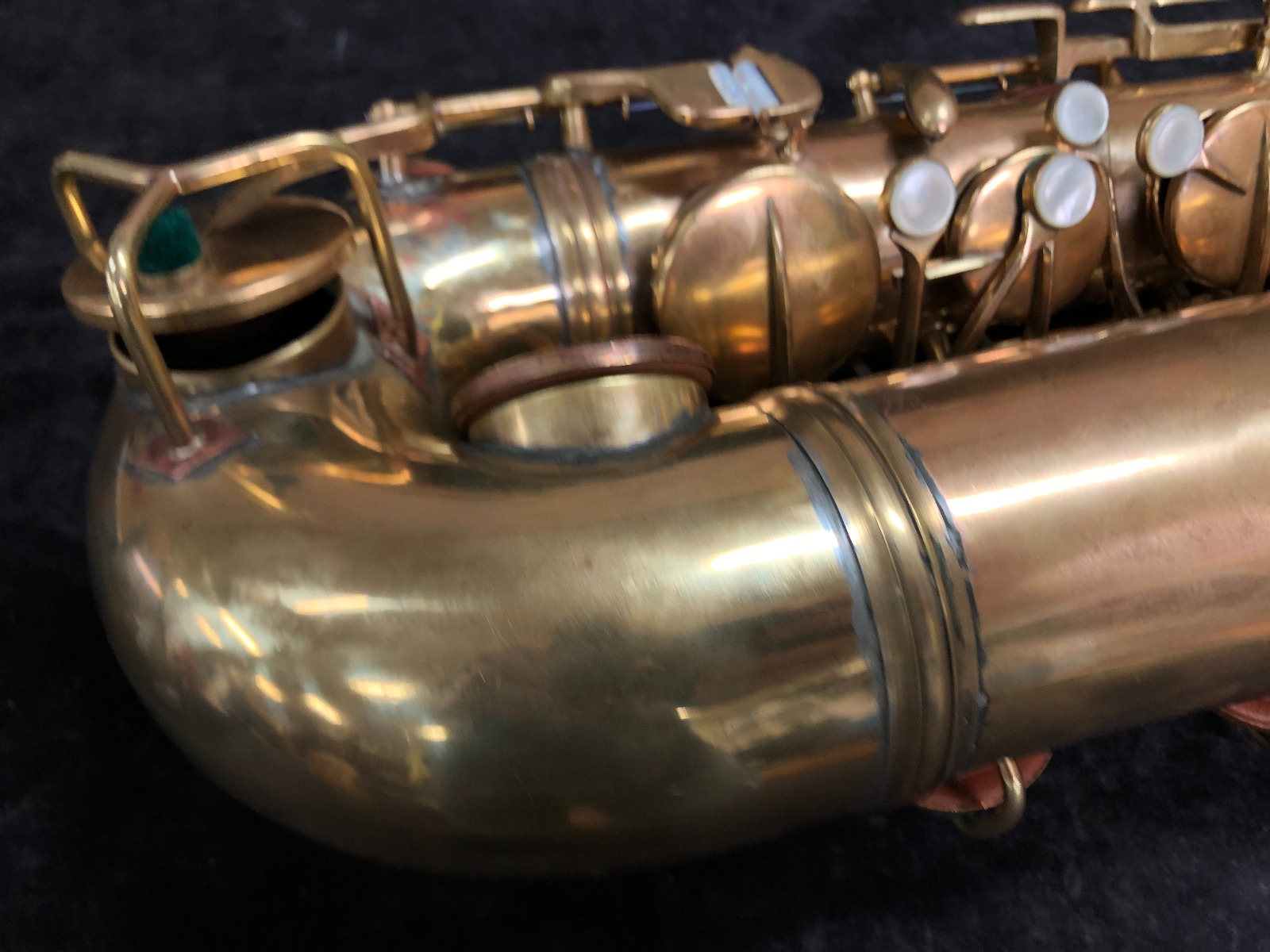
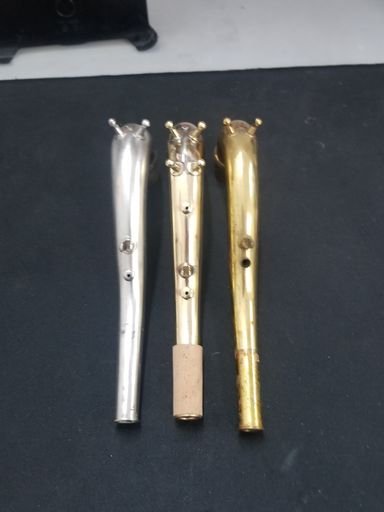
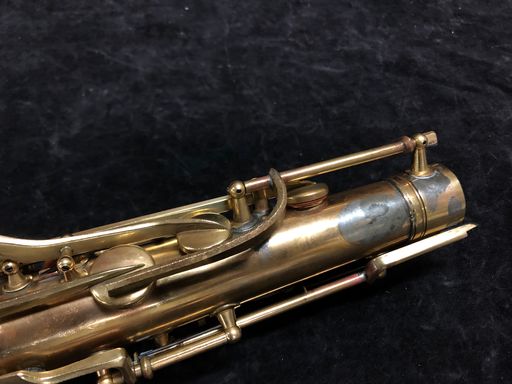
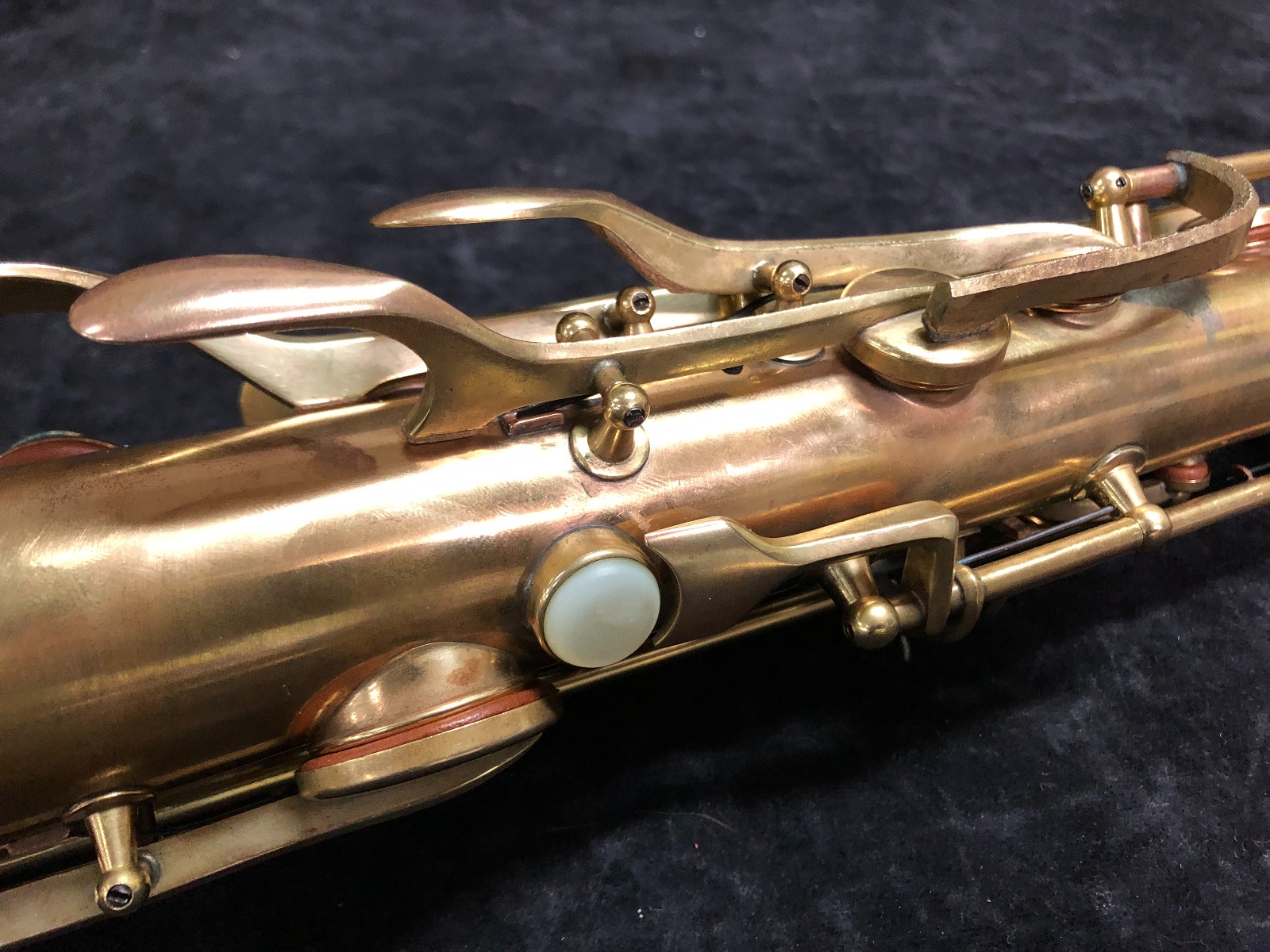
This experimental 10M has most of the same mechanical features of its contemporary production model. The “nail file” G# key, G# and Eb trill keys, 1914 patent stamp, and blued steel springs are all present. The instrument differs in that it has Allen Loomis’ triple octave mechanism wherein a second octave pip and key are added to the neck and an additional lever added between the palm D key and the neck octave keys is added. The neck is shorter than the concurrent production model. The bottom bow is a wider arc than on the standard production model. Where as its contemporaries had “split bell keys” wherein the B and Bb keys and toneholes are on opposing sides of the bell, the Loomis 10M has both bell keys on the left side.
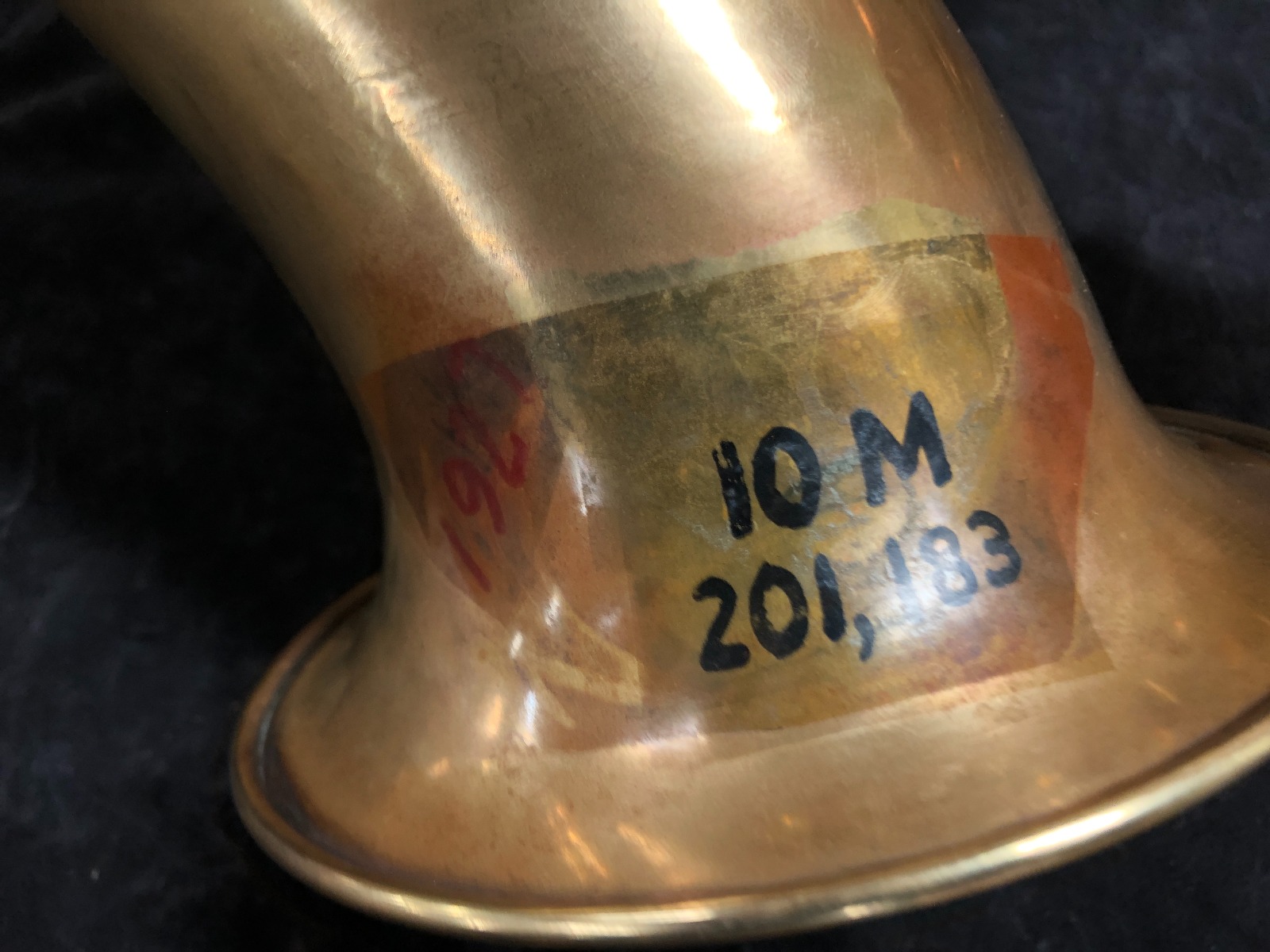
This saxophone is mostly bare brass, having never been through a factory finishing process except for the bottom bow, which is gold plated. There are tool marks, excess solder, and other evidence of modification and experimentation across the instrument. The model number, serial number and “1927” are painted on the bell.
Additional Resources
- “The Conn Loomis 10M Saxophone Restoration” article
- Haynes patent: US1119954A
- Loomis patent: US2133625A