
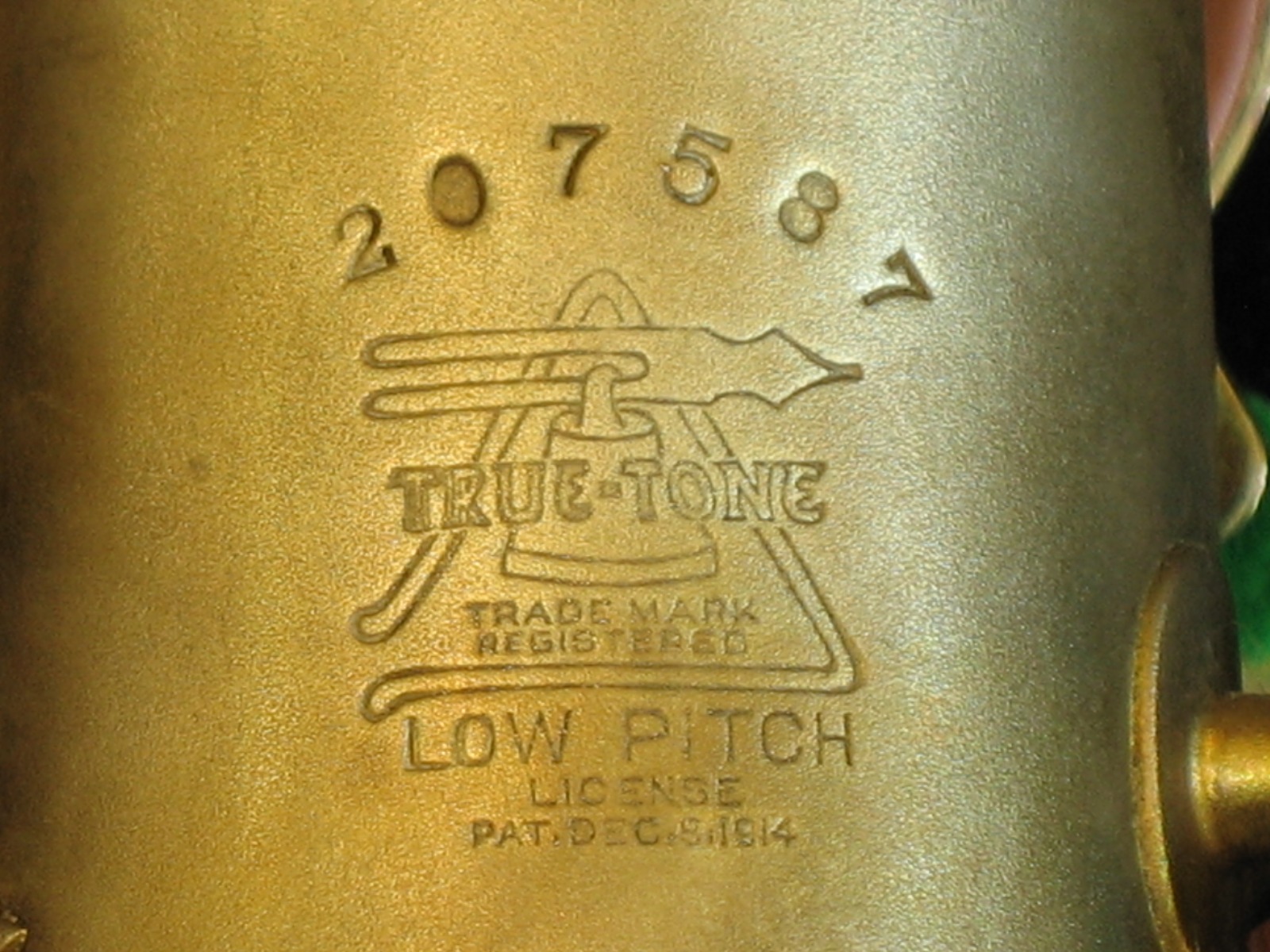
Buescher Straight Alto 207587




Buescher
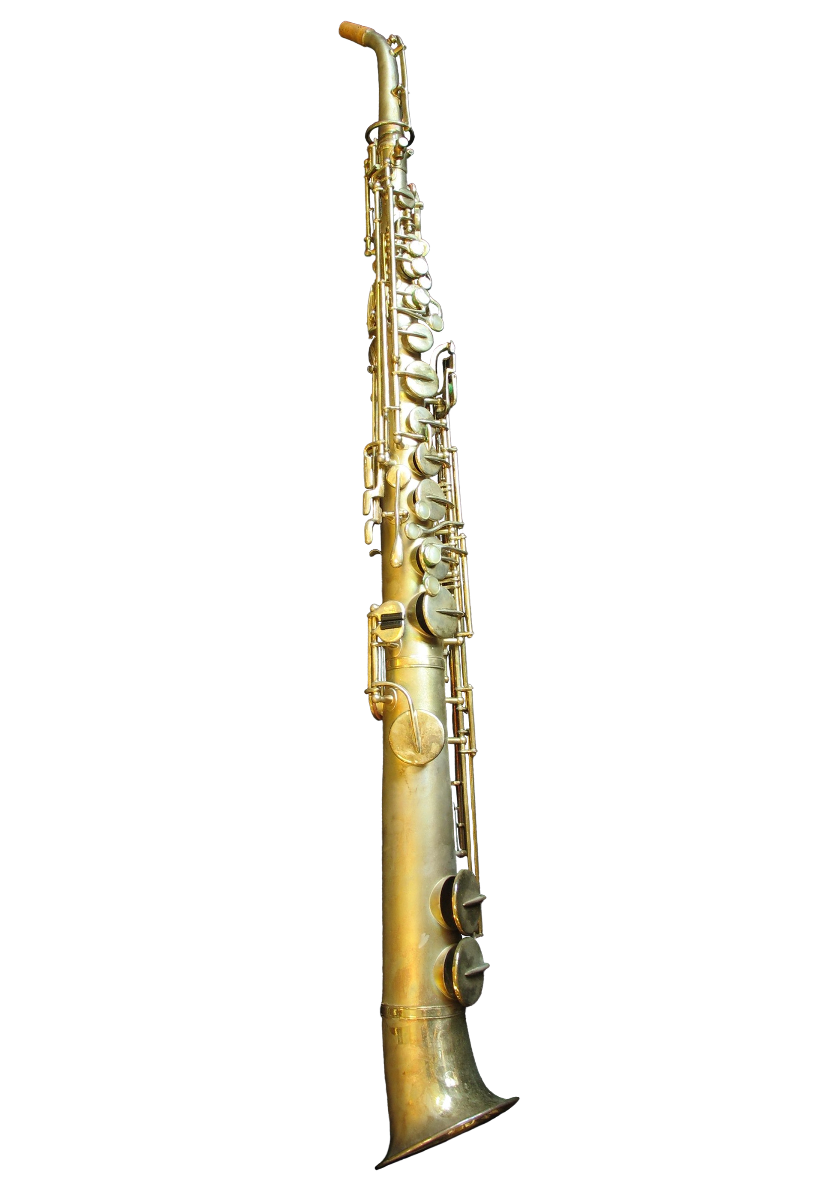
SUMMARY: The Buescher True Tone model 120 Straight Alto Saxophone was produced in limited numbers from 1926 to 1929.
COLLOQUIAL NAMES: True Tone Series 3
DATE: 1926
MANUFACTURER: The Buescher Band Instrument Company
PRODUCTION LOCATION: Elkhart, IN, United States
PRODUCT LINE: True Tone
MODEL: 120
TYPE: Alto
SERIAL NO.: 207587
FINISH: Velvet Silver Plate, "Finish E"
CATALOG NO.: BR207587EbAS
PROVENANCE:
On Loan From 
History
The True Tone line of musical instruments was Buescher's first product line. The True Tone name was the name of the line from the company's inception until the introduction of the Aristocrat line in the early 1930s. Even after introducing new product lines, Buescher continued to use the True Tone tuning fork stamp on their instruments until the 1950s. The model 120 straight alto saxophone was produced in limited numbers from 1926 to 1929. It was available in all of Buecher's standard finishes as well as different colored enamels with lacquered keys. The most well known player of the Buescher straight alto was Roland Kirk.
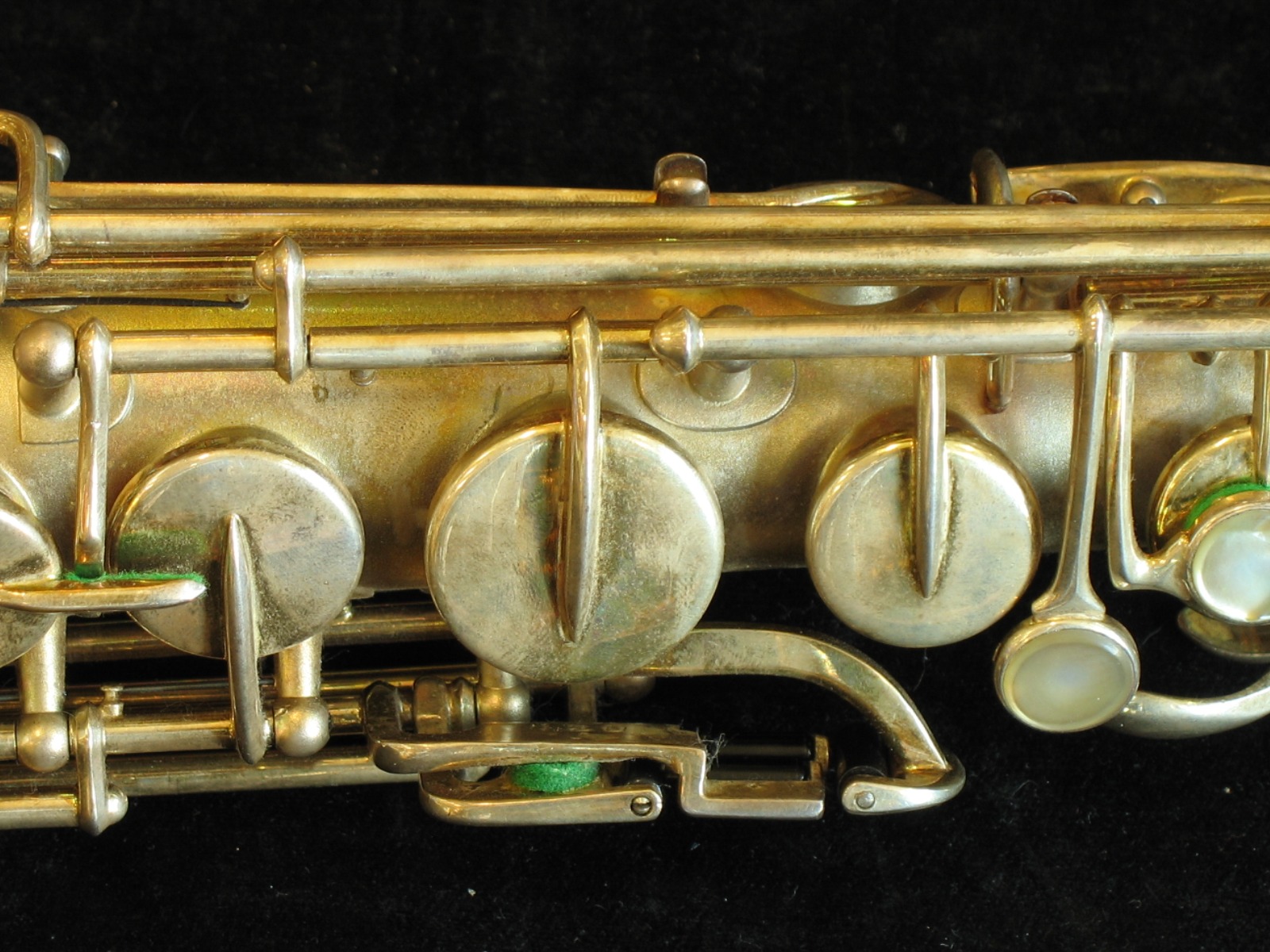
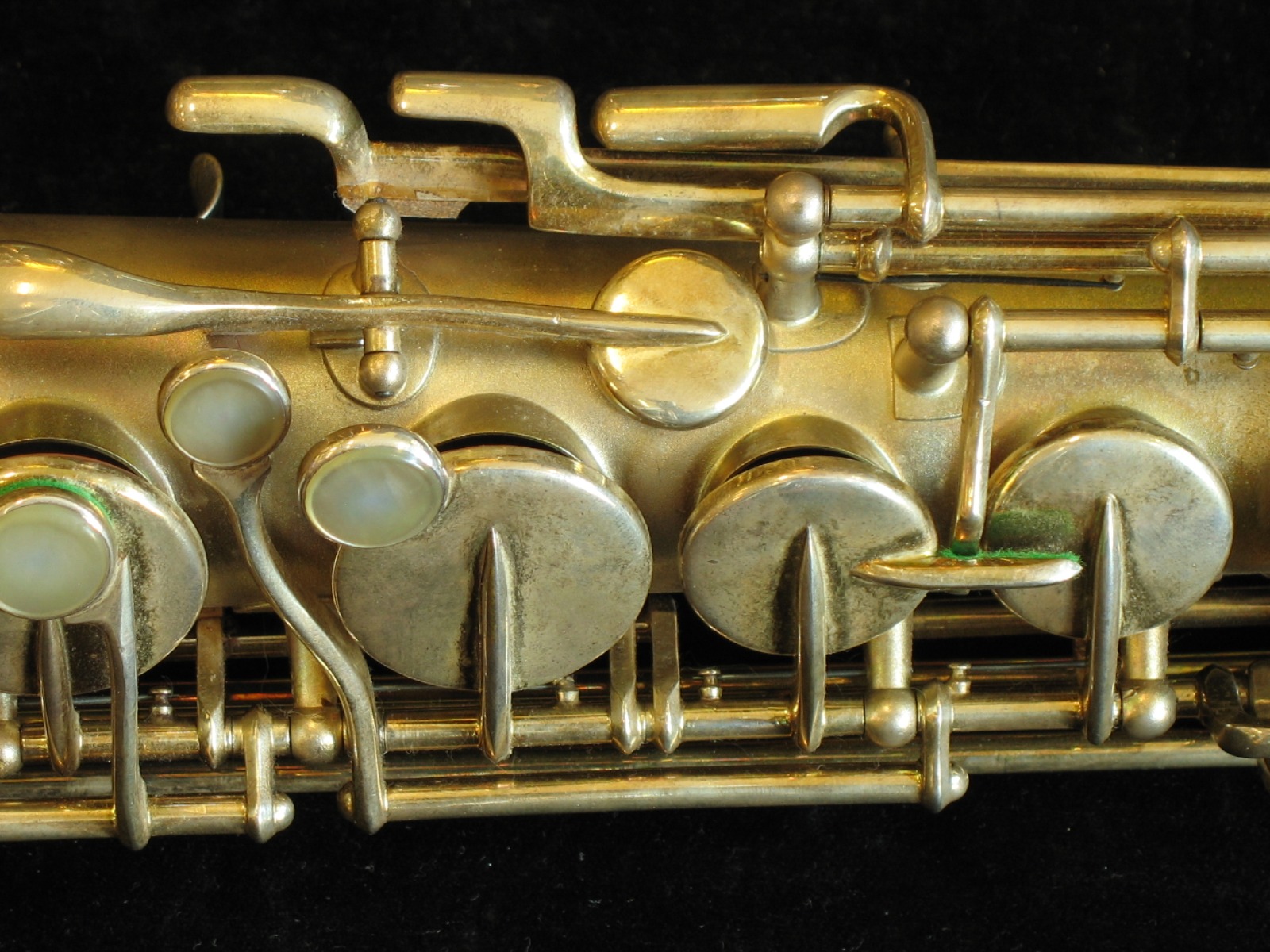
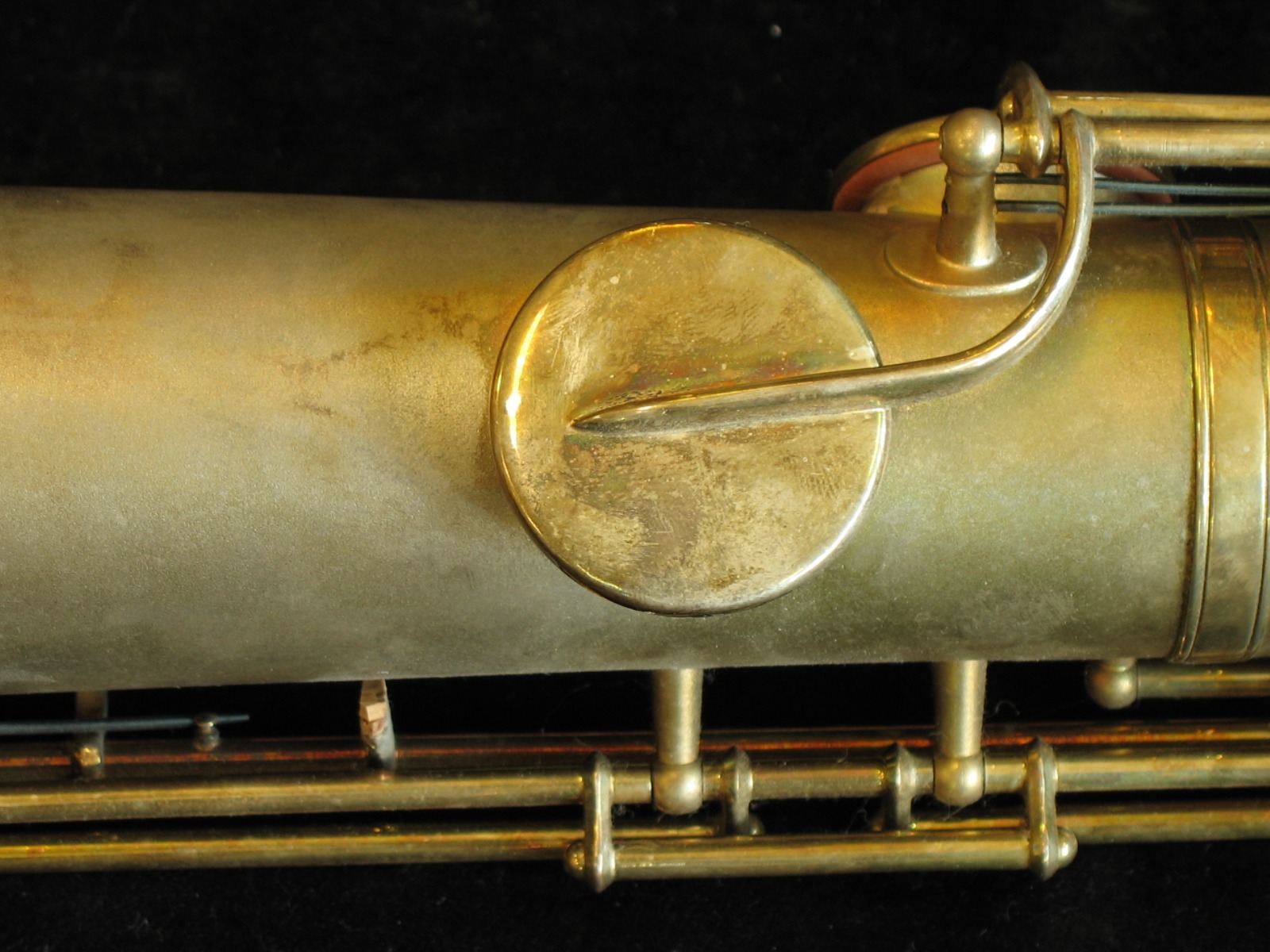
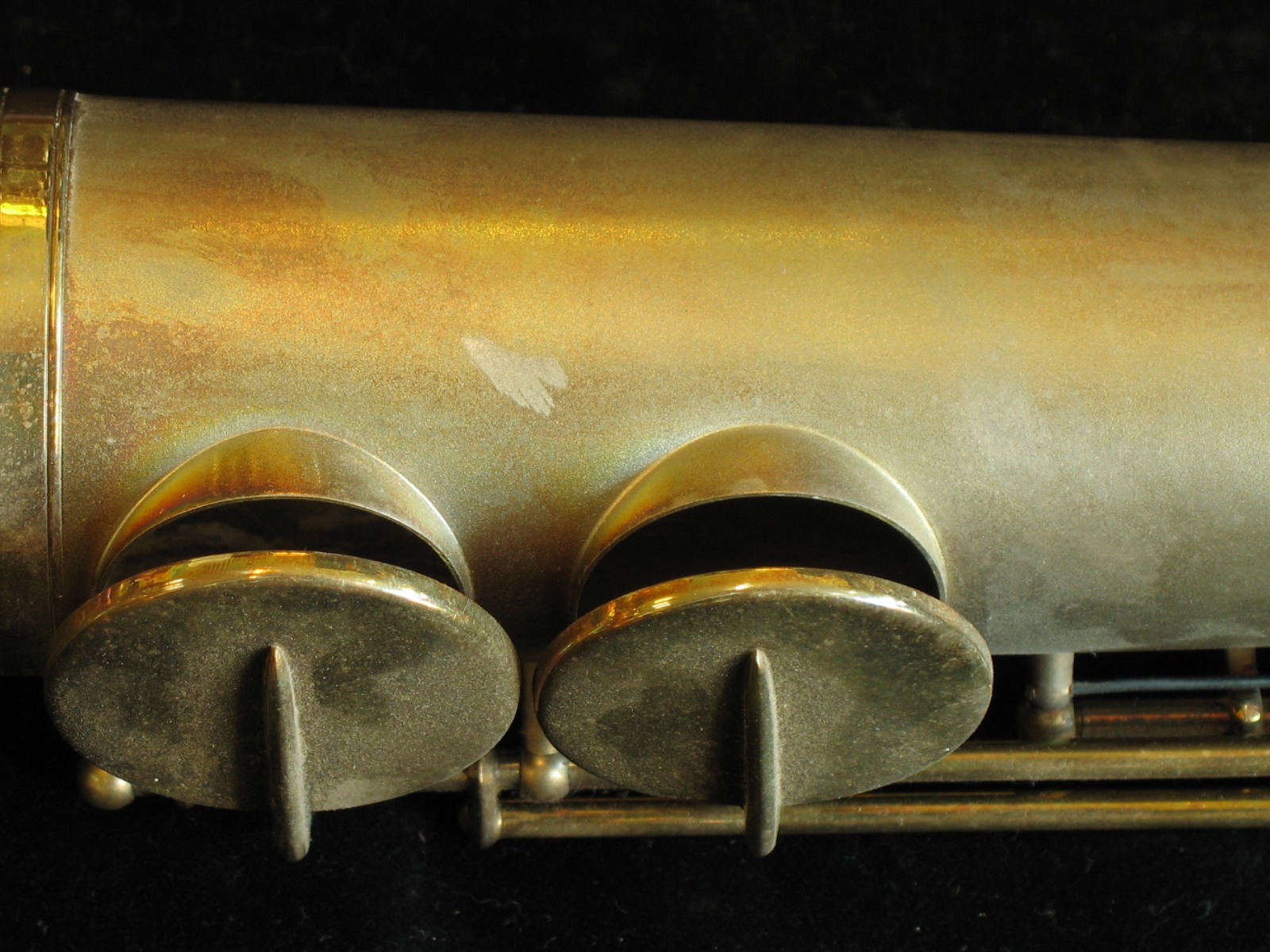
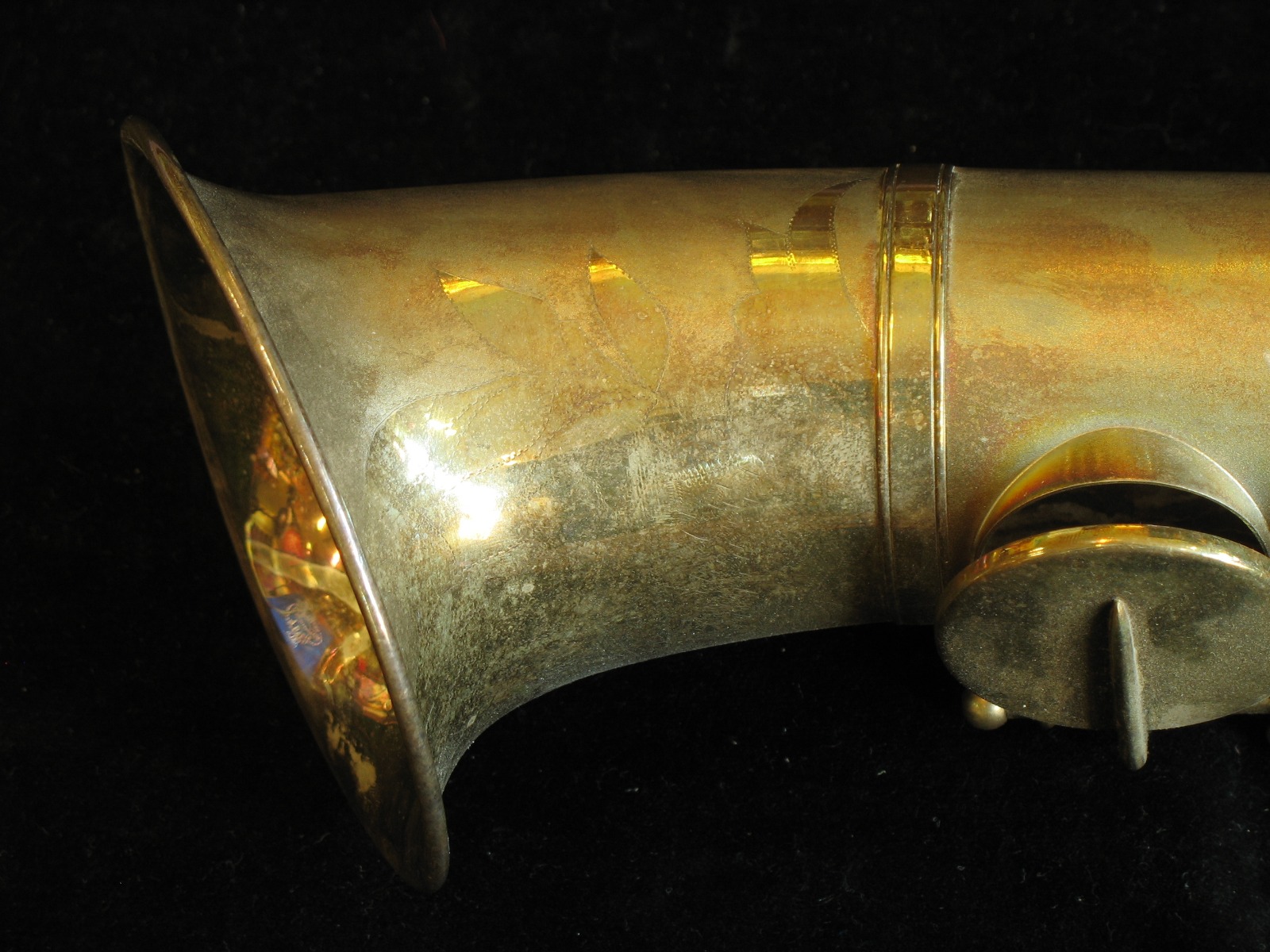
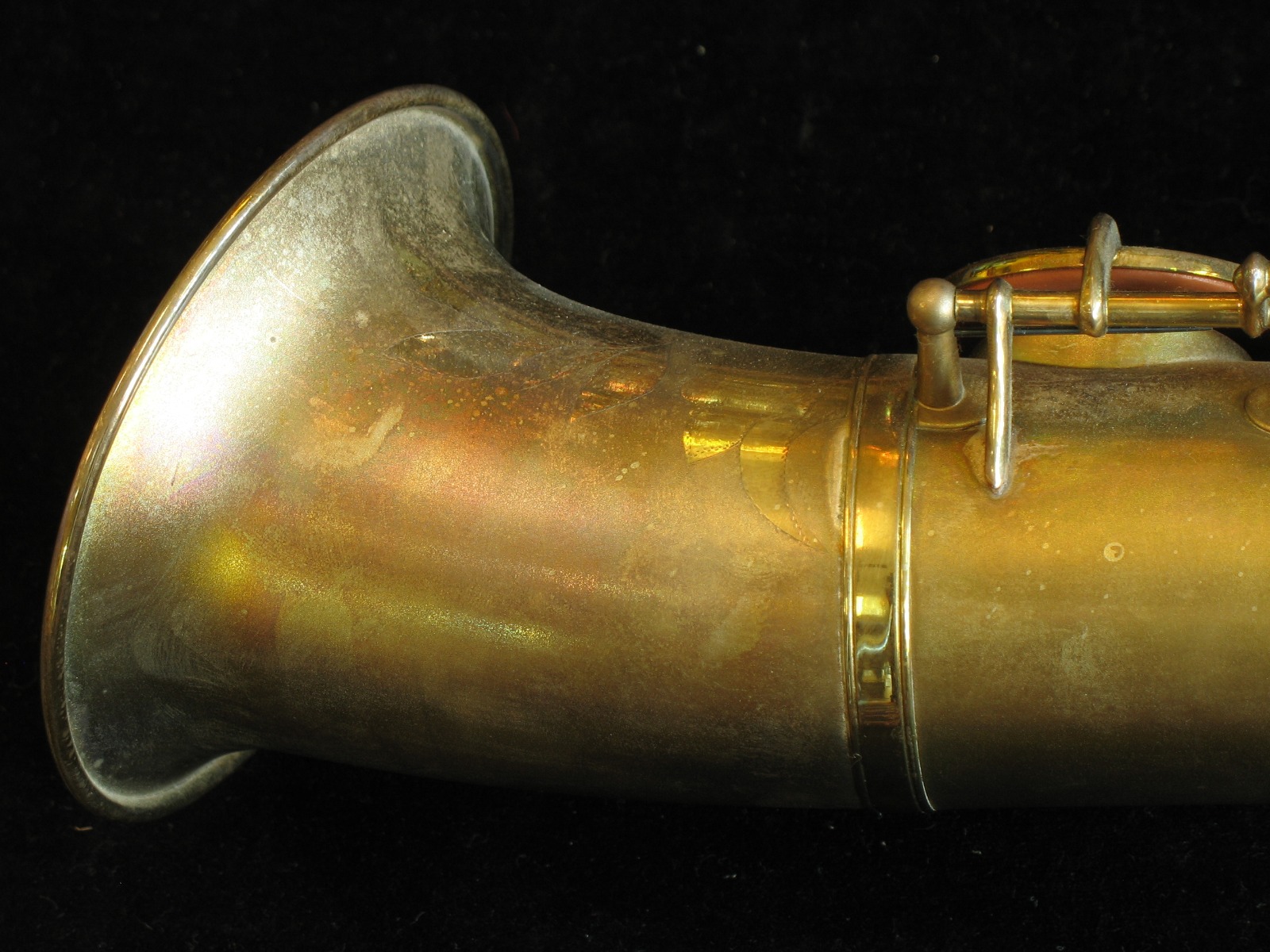
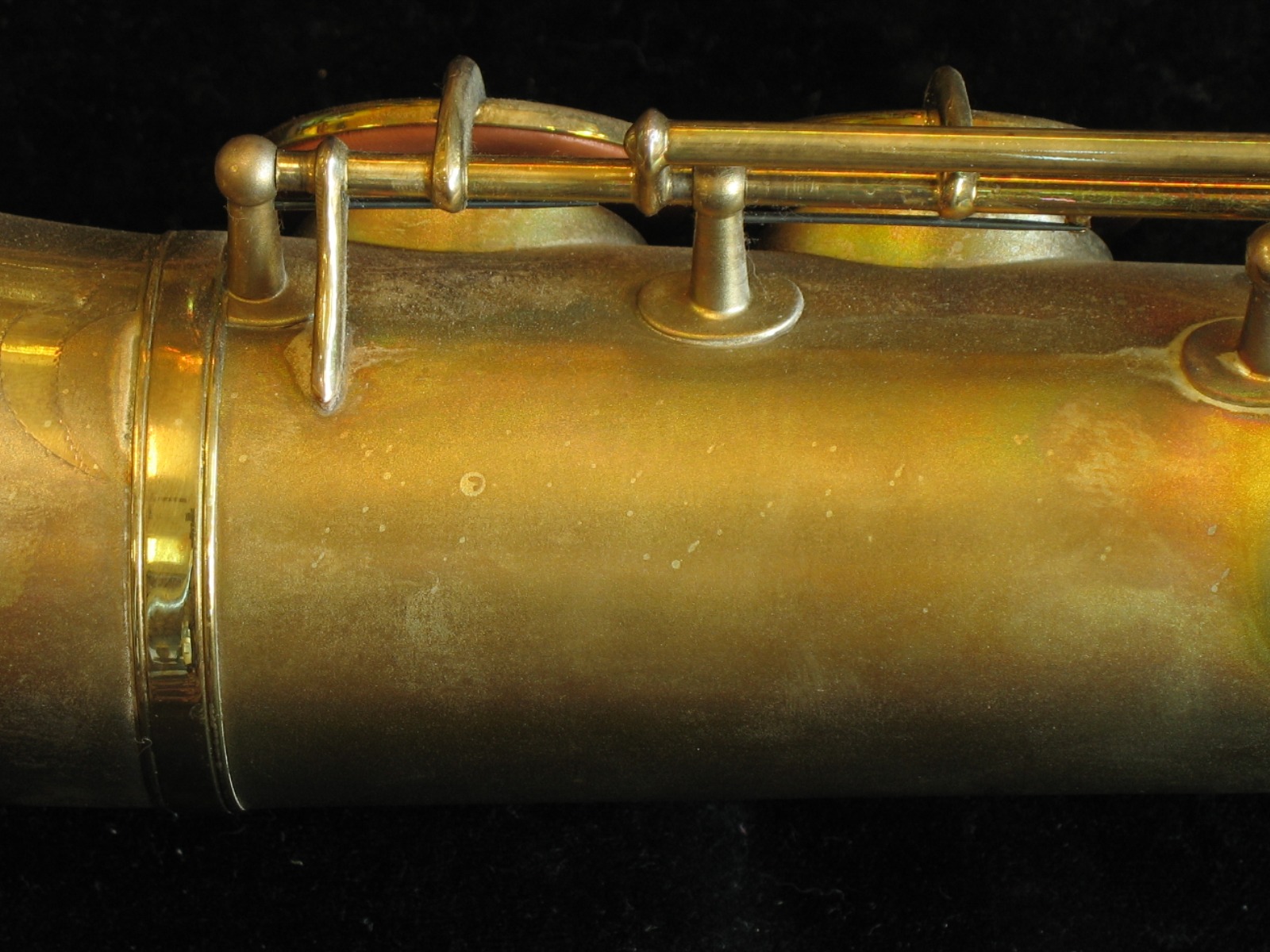
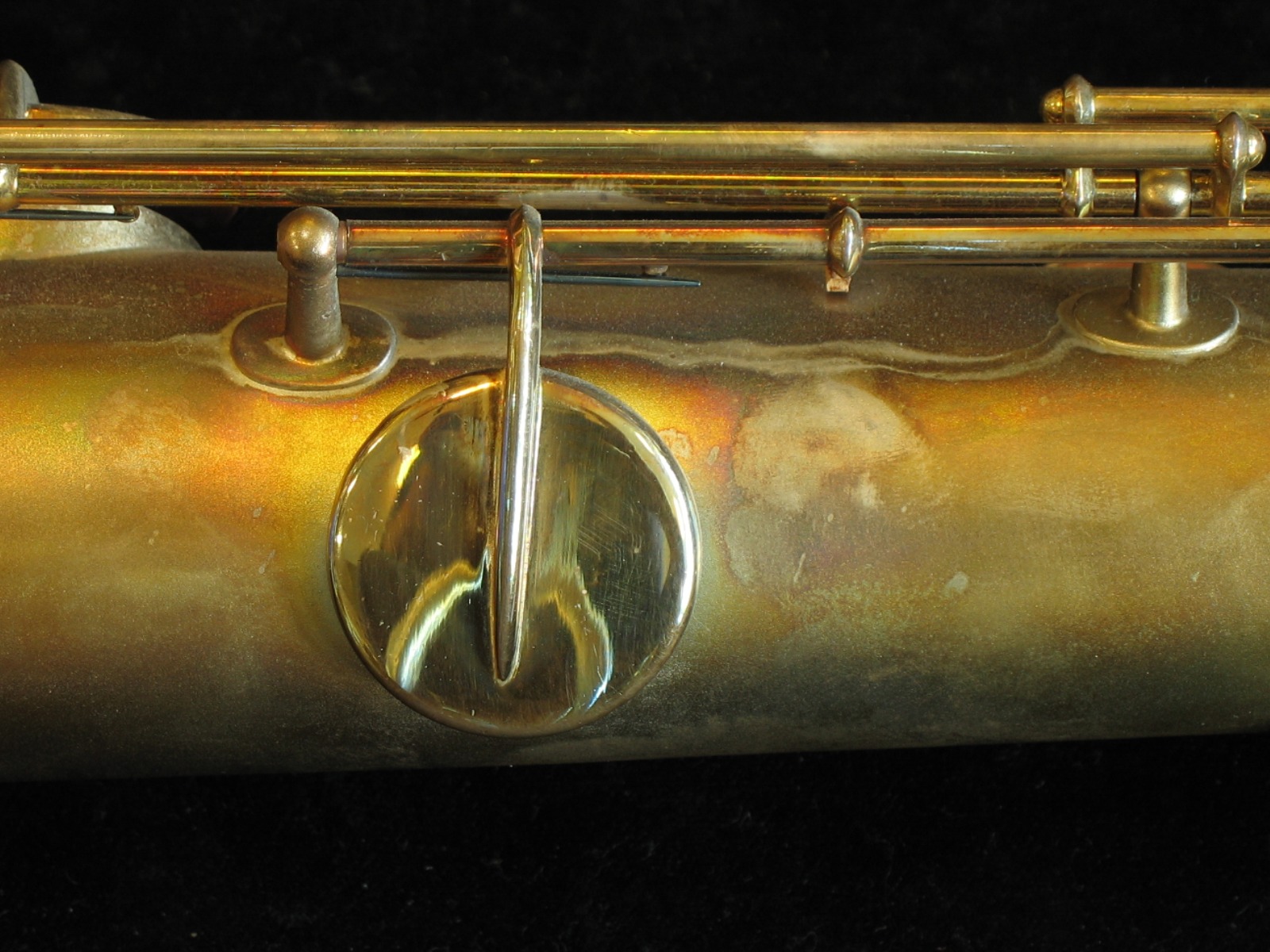
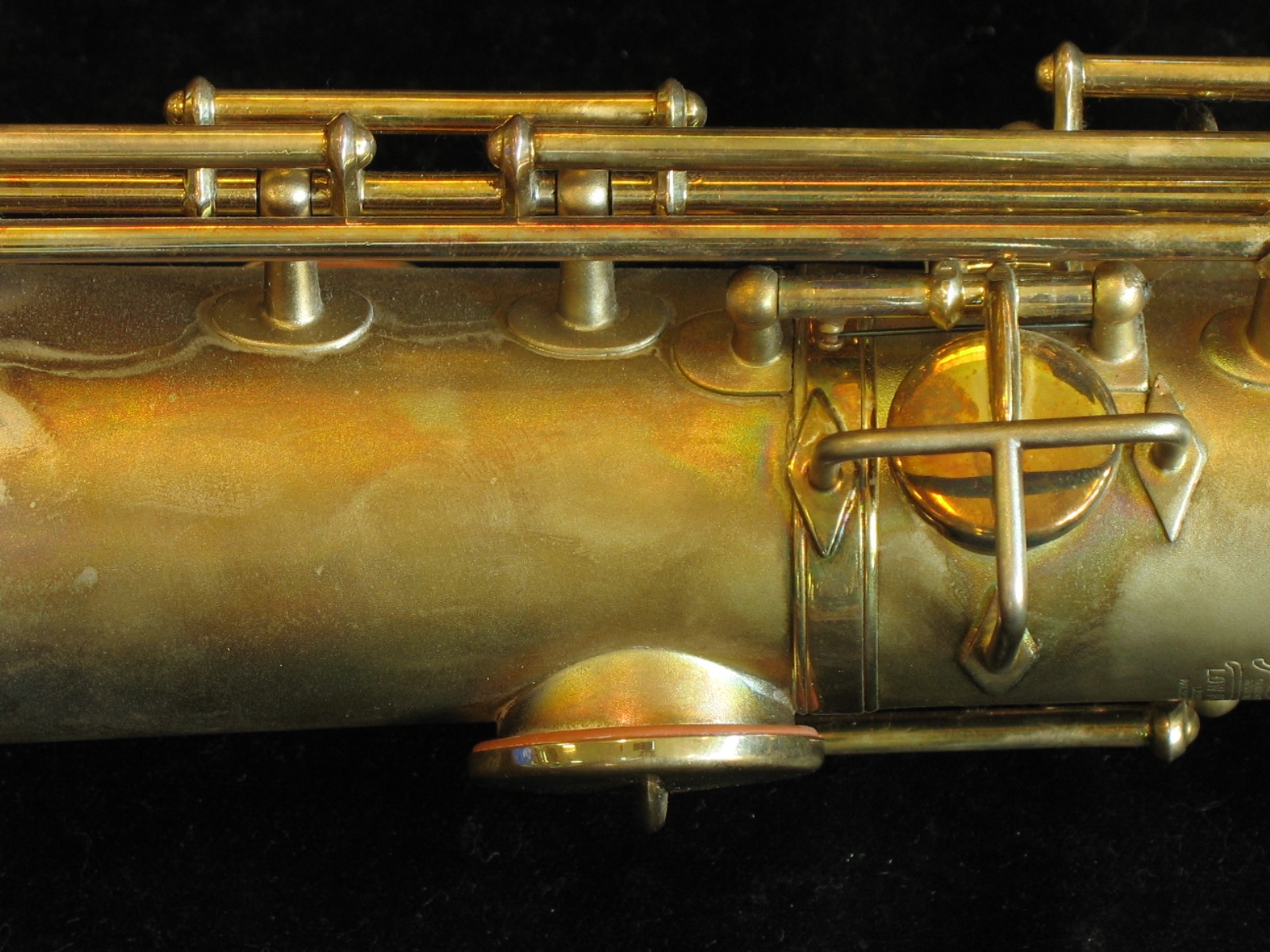
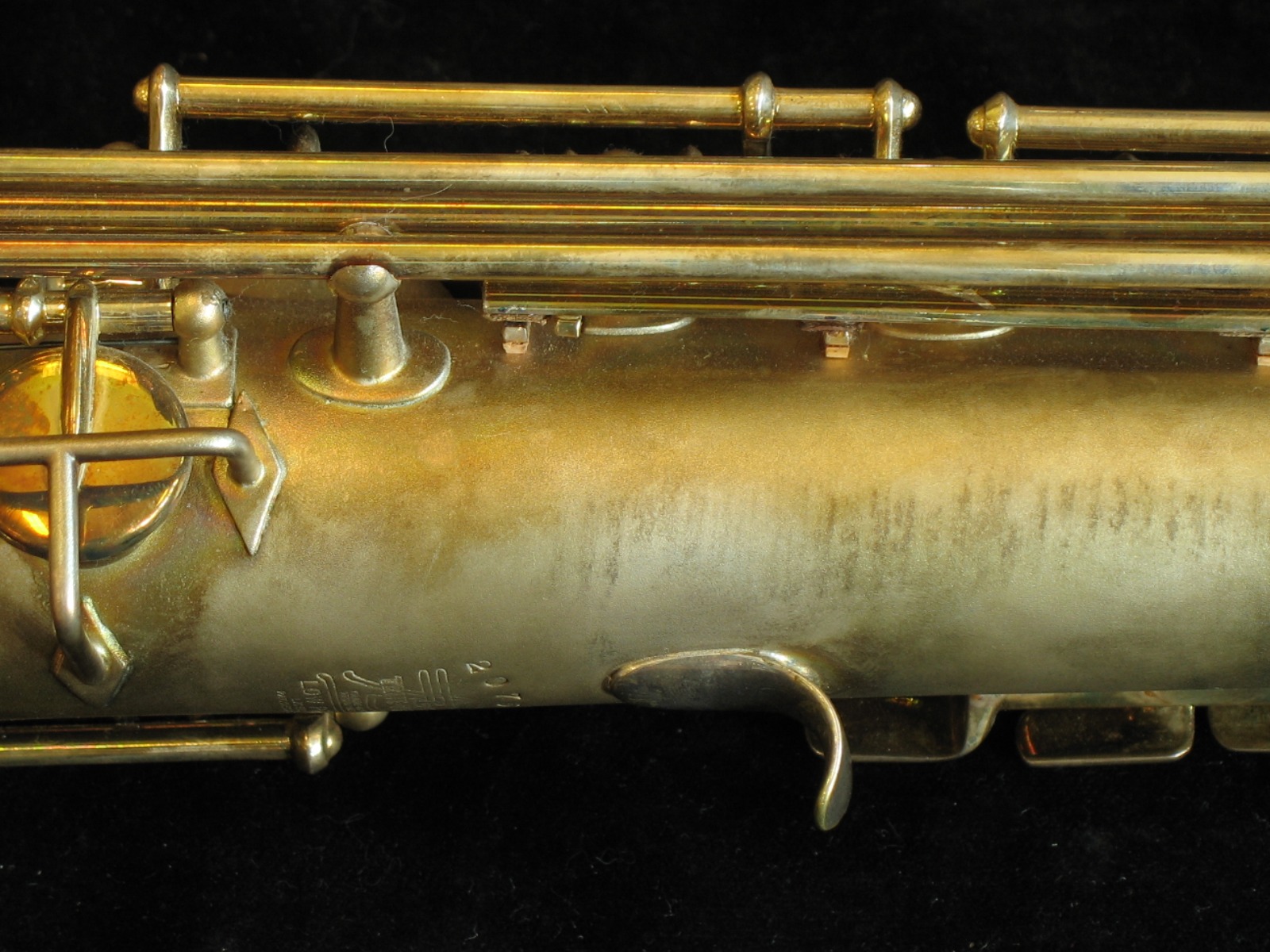
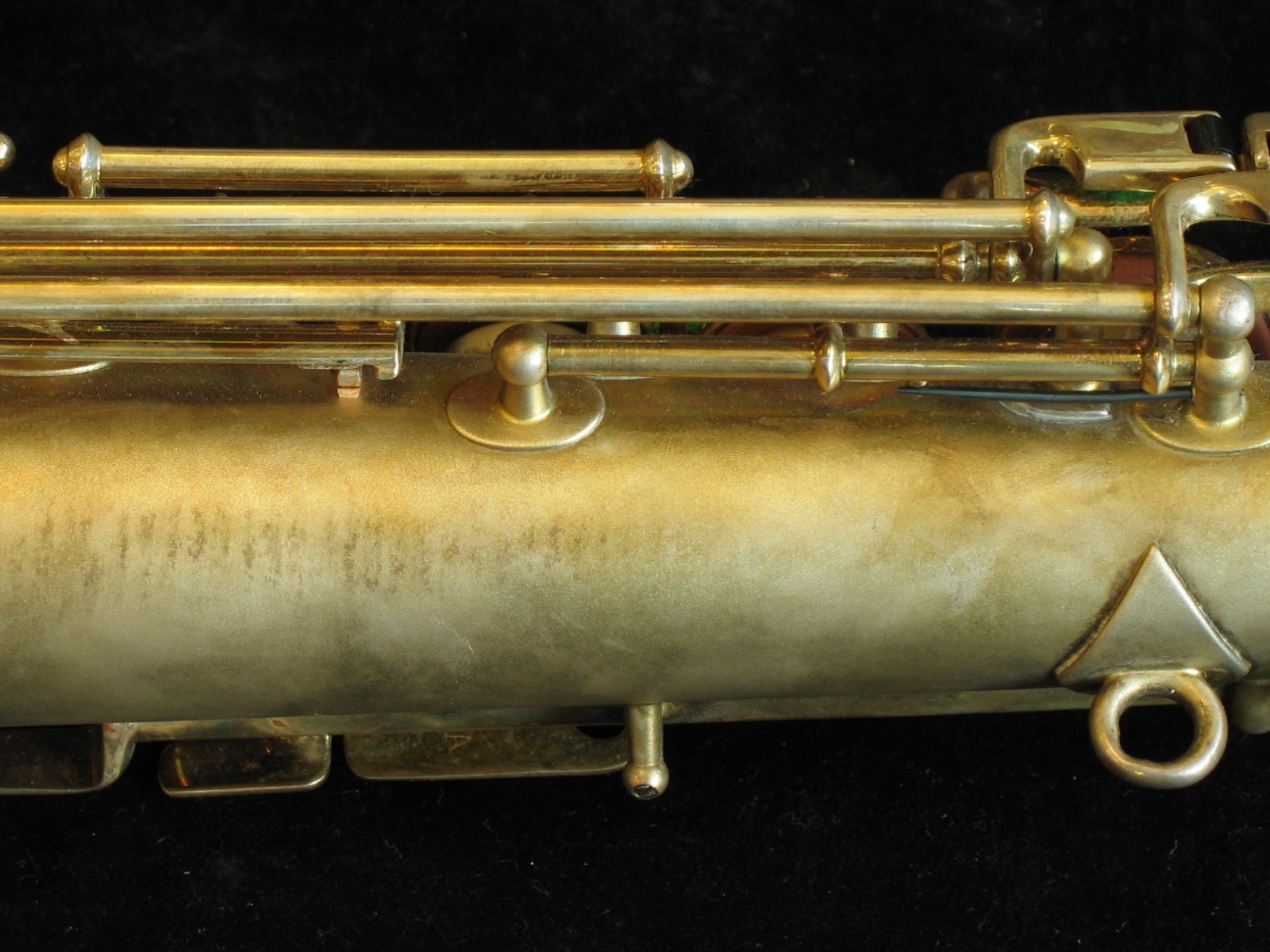
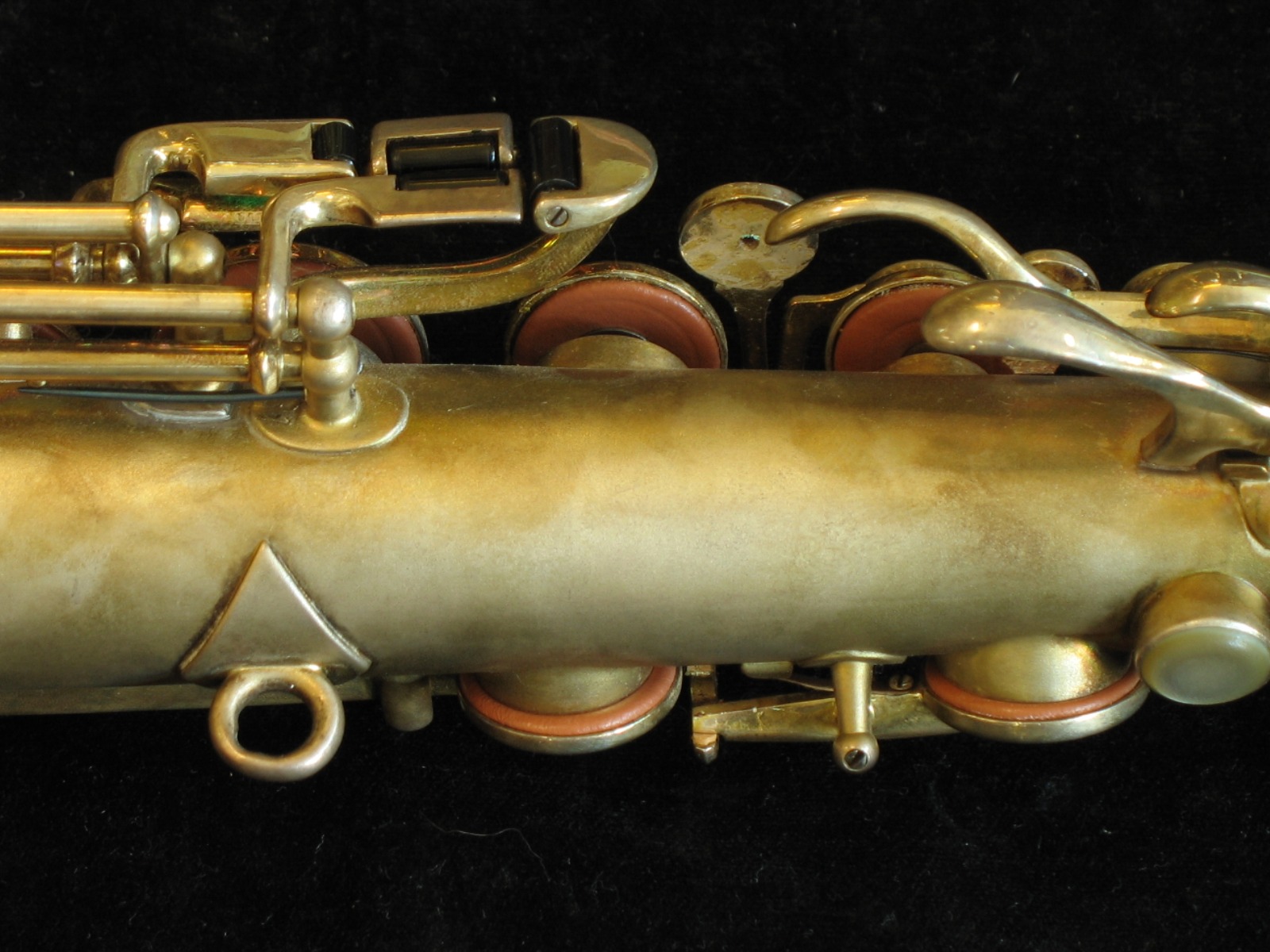
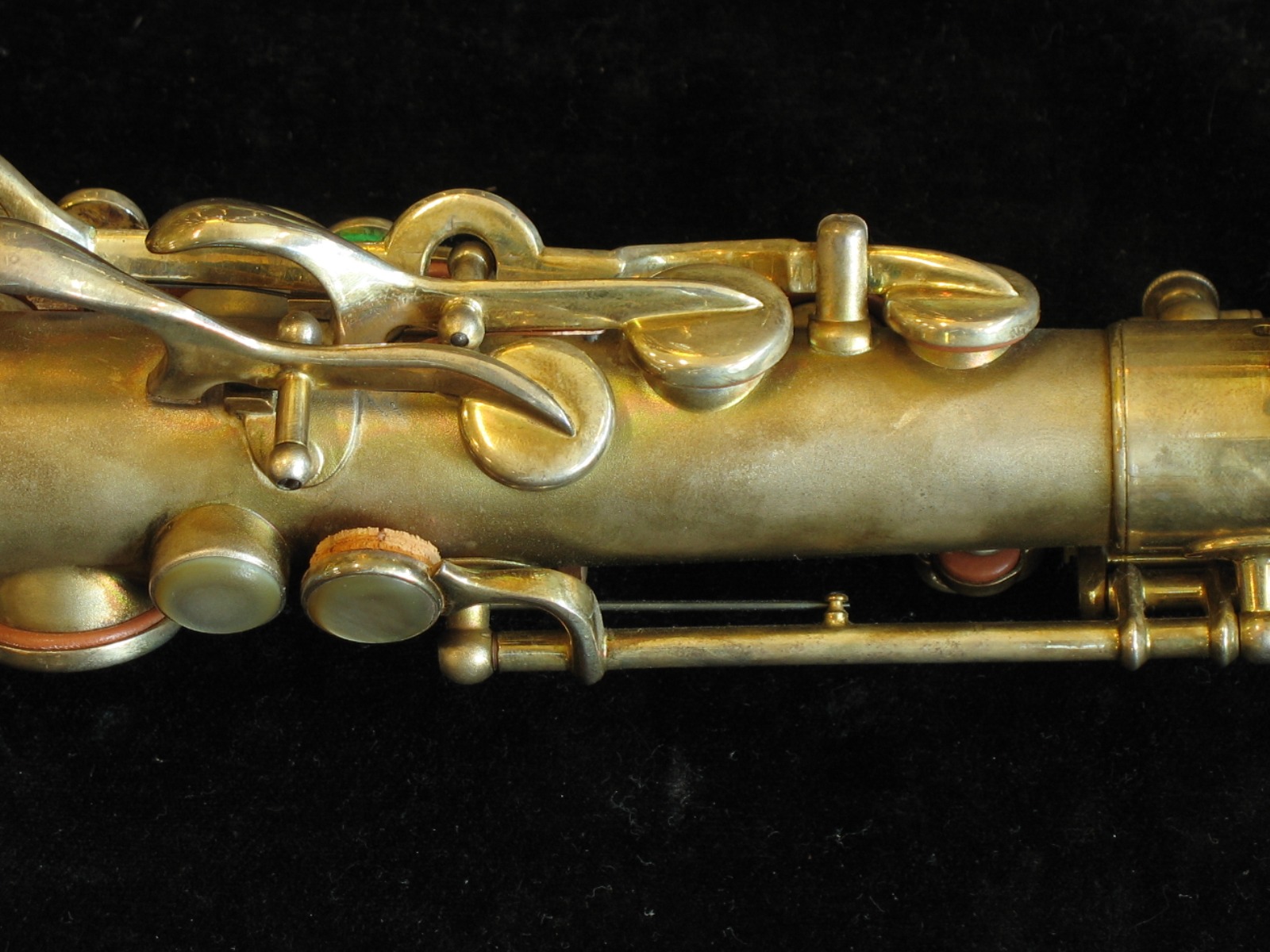
This example retains its factory original velvet silver plating with gold washed bell, black rollers, blued steel springs, Snap-On Resonators, and original case.
Features
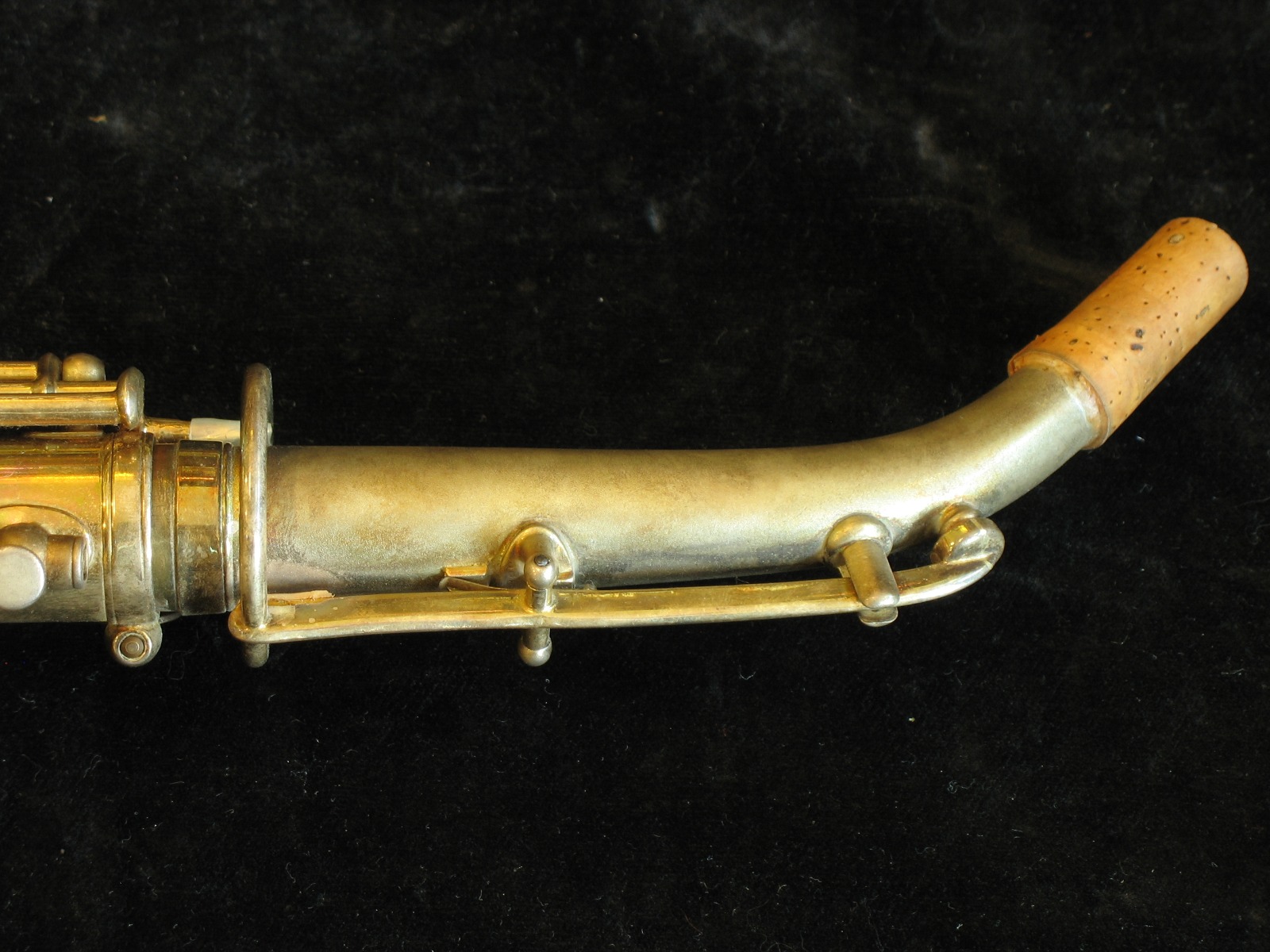
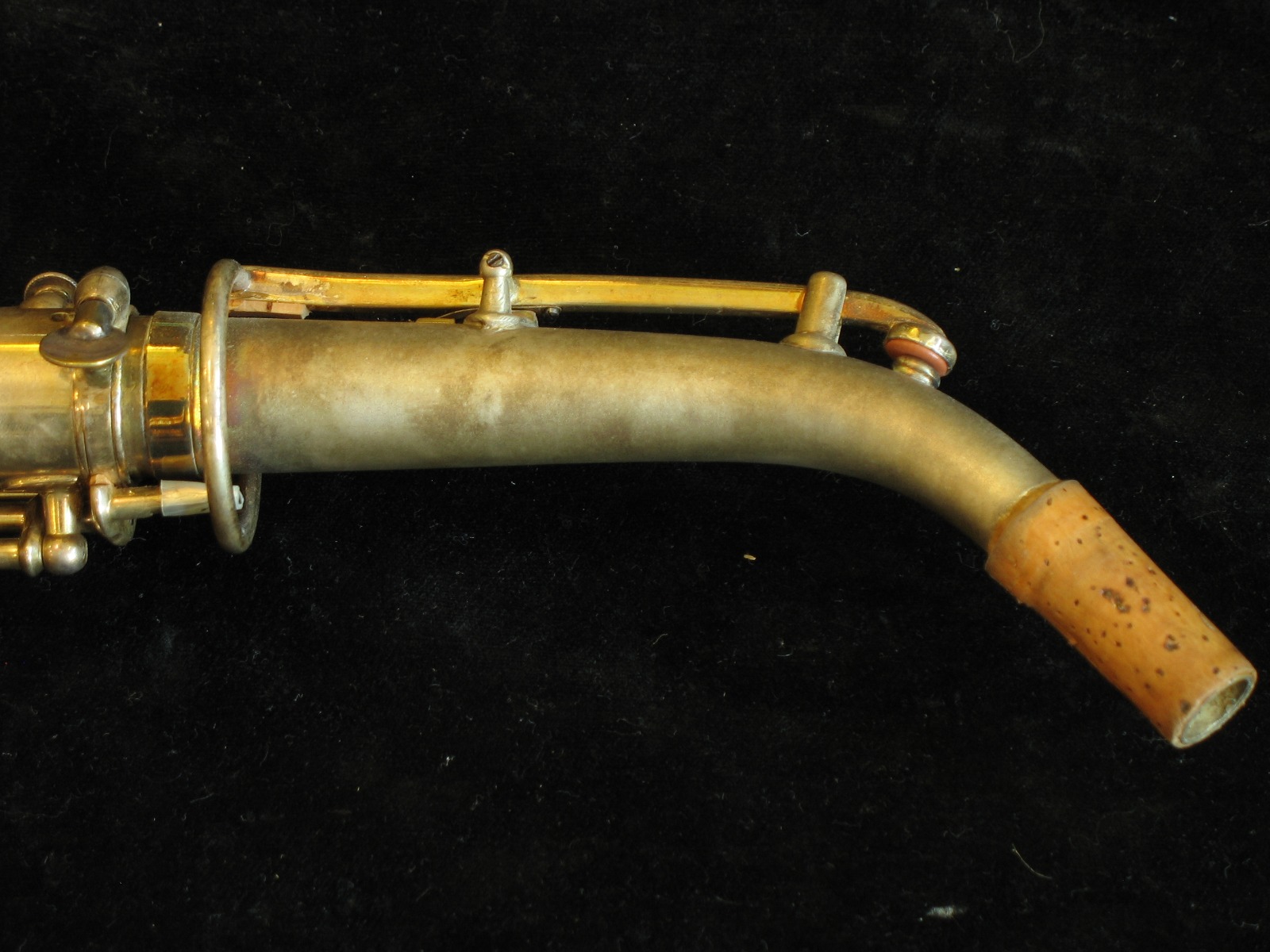
The model 120 straight alto features the same key mechanism for the palm keys and stack keys as its curved counterpart. The length of tube that would usually be comprised of a curved bottom bow and the straight part of the bell just past the Low Bb key were combined into a single straight tube with a slightly curved bit of tube ending in a flared bell soldered to the end. Whereas the model 126 curved alto still had bell keys on opposing sides, the 120 has in-line bell keys like its straight soprano contemporaries. The neck octave key and pinky key mechanisms were redesigned to acommodate the changes to the neck, bow, and bell. Unlike modern straight alto saxophones which use the same neck as their curved counterparts, the model 120's neck pipe was redesigned to be overall straighter than the model 126's neck with just a short bend at the mouthpiece end. This horn in particular was constructed during the third revision of the True Tone line. As such, it has redesigned palm keys that stop against the body instread of the raised posts of the earlier horns. It has the roller G# key and floating octave key designed and patented by Allen Loomis. The mechanism is powered by blued steel springs and the key cups have Buescher's patented Snap-On pads and resonators.
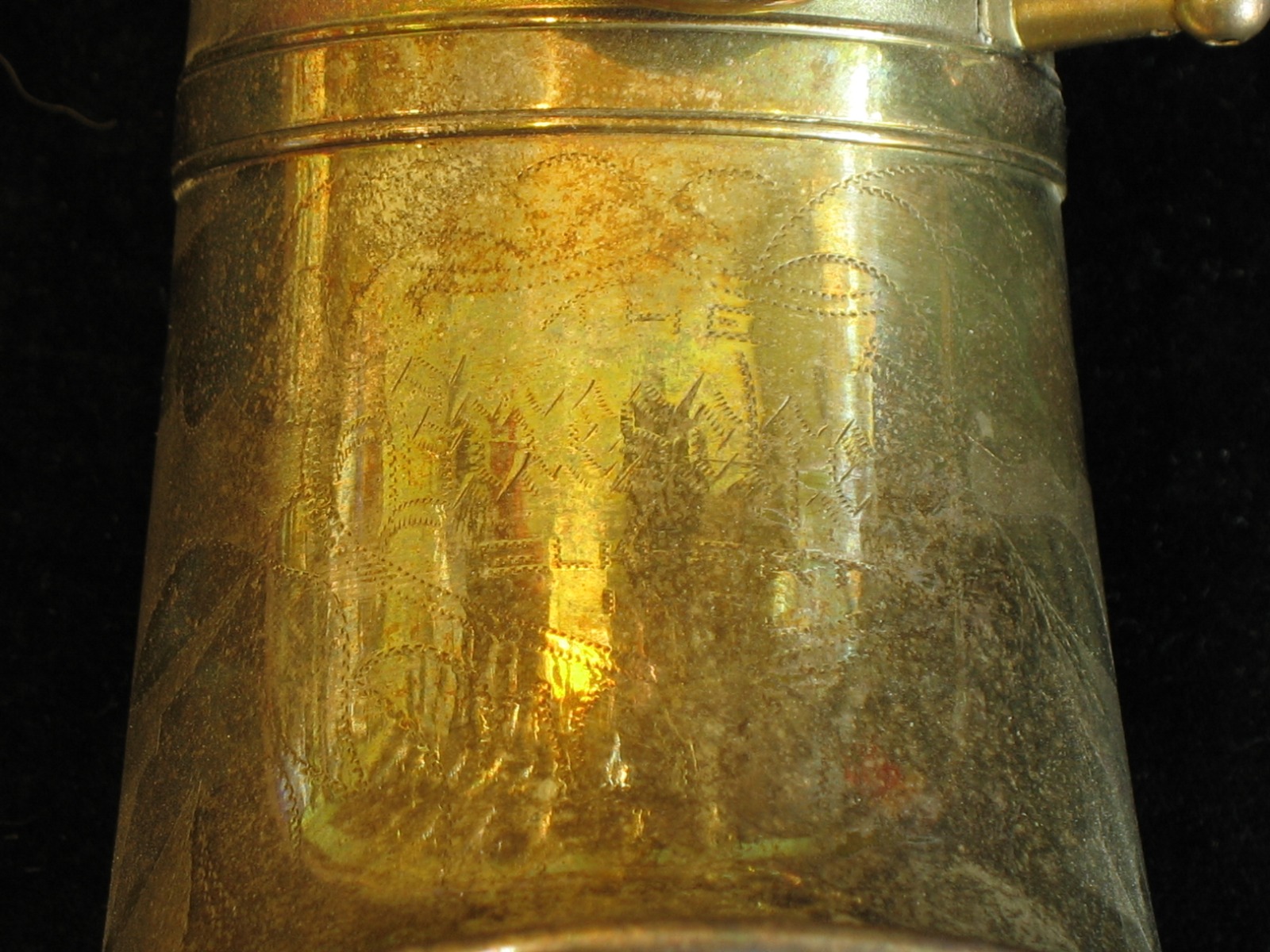
The engraving on the bell reads "The Buescher Elkhart, Ind." and is surrounded by a light floral motif.
Additional Resources
- Loomis Octave Key Patent: US1662196A
- Snap-On Pad Patent: US1702692A
- Haynes patent: US1119954A
- Loomis Octave Mechanism Patent: US1662196A